Loading...
Our Programs
Comprehensive initiatives designed to empower communities and create lasting change across Afghanistan.
ProgramView Related Projects
Peacebuilding & Governance
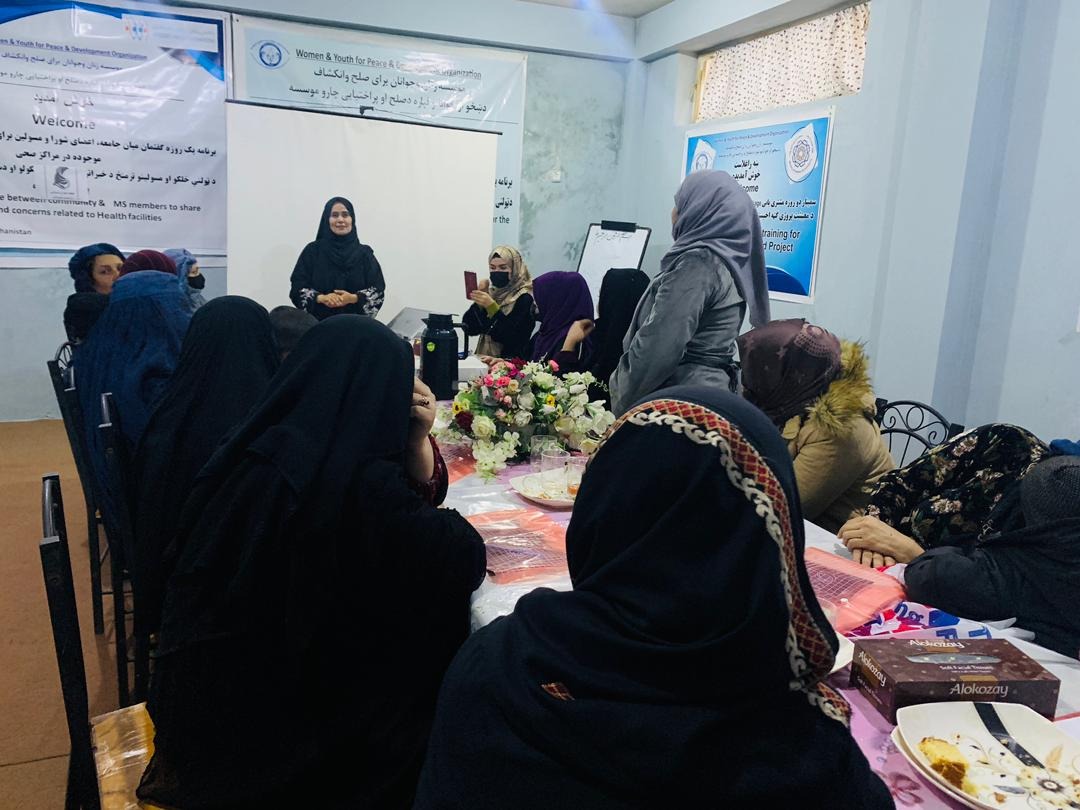
WAYPADO has been at the forefront of peacebuilding in northeastern Afghanistan since 2008. Our peacebuilding programs engage religious leaders, community elders, youth, and women in conflict resolution, mediation, and social cohesion. We have trained over 650 religious leaders and 3,000 community members in conflict analysis, dispute mediation, and peace advocacy. Our initiatives have produced 150 radio roundtable programs and 50 TV programs, broadcasting messages of tolerance and coexistence to millions across the region.
Objectives
- Strengthen conflict resolution and mediation skills among religious and community leaders
- Promote social cohesion and tolerance through media and public awareness campaigns
- Establish platforms for inclusive dialogue between communities and decision-makers
Key Activities
- Training workshops on conflict analysis and peacebuilding
- Production of radio and TV programs on coexistence and human rights
- Community dialogue sessions with Shuras, elders, and youth groups
Impact
Women are building safer, more resilient households and communities.
Program
Youth Empowerment & Leadership
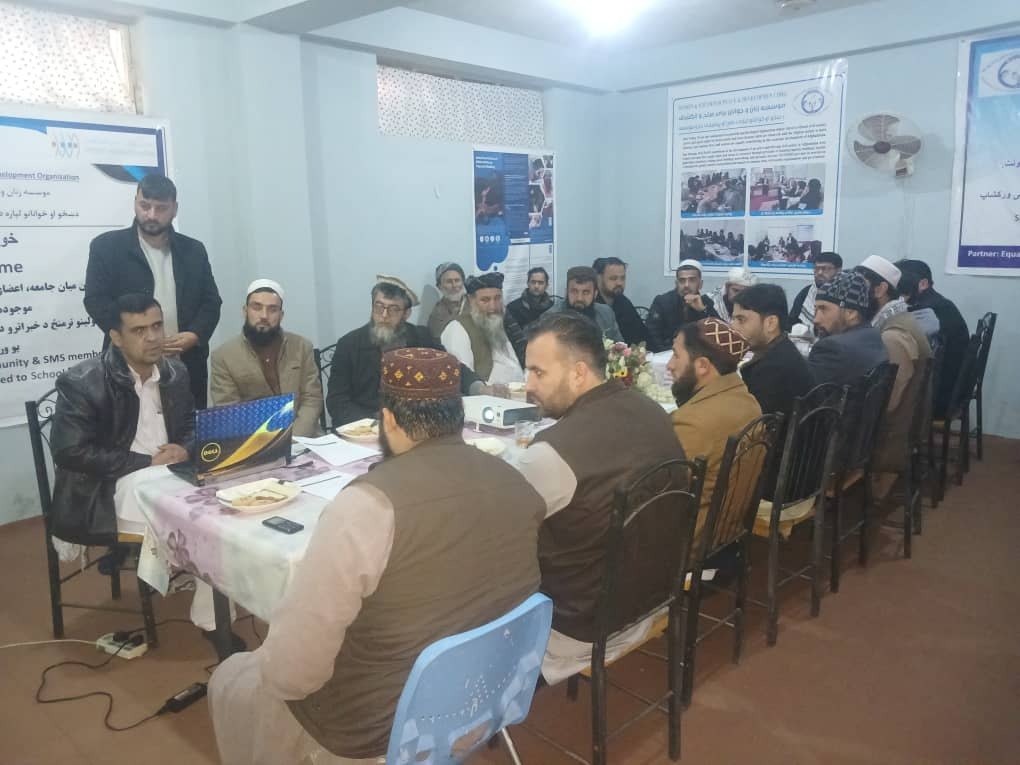
We believe youth are the architects of Afghanistan's future. Our youth programs build leadership, civic engagement, and political participation skills among young men and women. Through initiatives like "Empowering Youth Leaders" and "Youths and Political Participation," we have reached over 4,800 young people across Kunduz, Takhar, Baghlan, and Badakhshan. We also run awareness campaigns on critical issues such as drug prevention, reaching 2,000 youths through our "Let's Say No To Drugs" program.
Objectives
- Build leadership and civic engagement skills among youth
- Increase youth participation in political and community decision-making
- Raise awareness on health, drug prevention, and social responsibility
Key Activities
- Leadership and advocacy training workshops
- Youth networking and activist clubs
Program
Women's Empowerment & Gender Equality
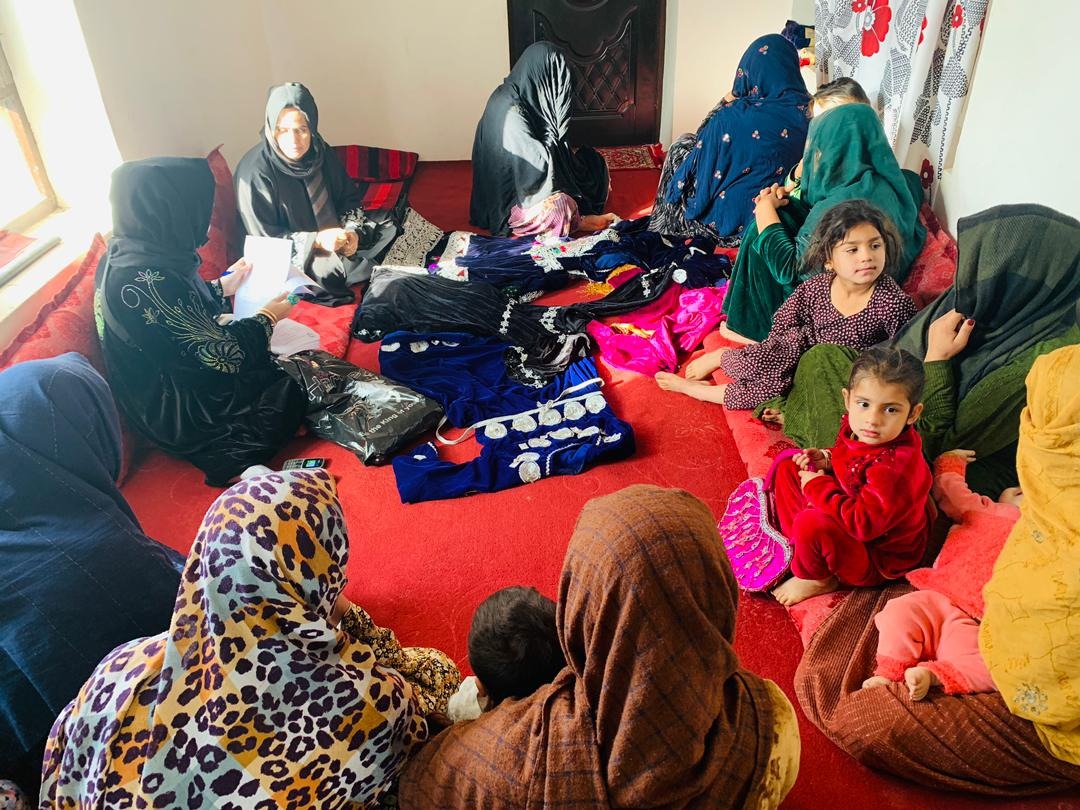
Women are central to everything we do. Our programs empower women through leadership training, advocacy for legal rights, and economic development initiatives. We have trained 450 women council members in leadership skills, supported female police officers, and advocated for women's full access to justice. Our women's empowerment initiatives have directly benefited over 1,000 women across four provinces, creating pathways to leadership and economic self-sufficiency.
Objectives
- Strengthen women's leadership and advocacy capacities
- Increase women's access to justice and legal protection
- Promote gender equality and women's participation in all spheres of life
Key Activities
- Leadership and rights awareness training for women
- Legal advice, case management, and referral for women facing violence
Program
Economic Empowerment & Livelihoods
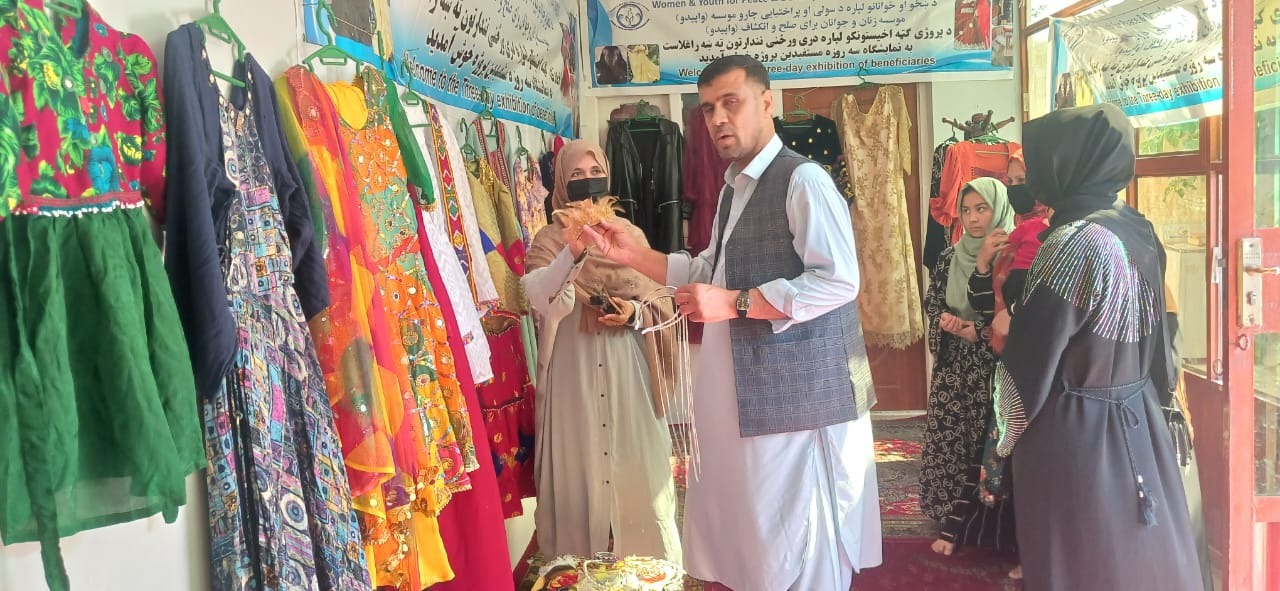
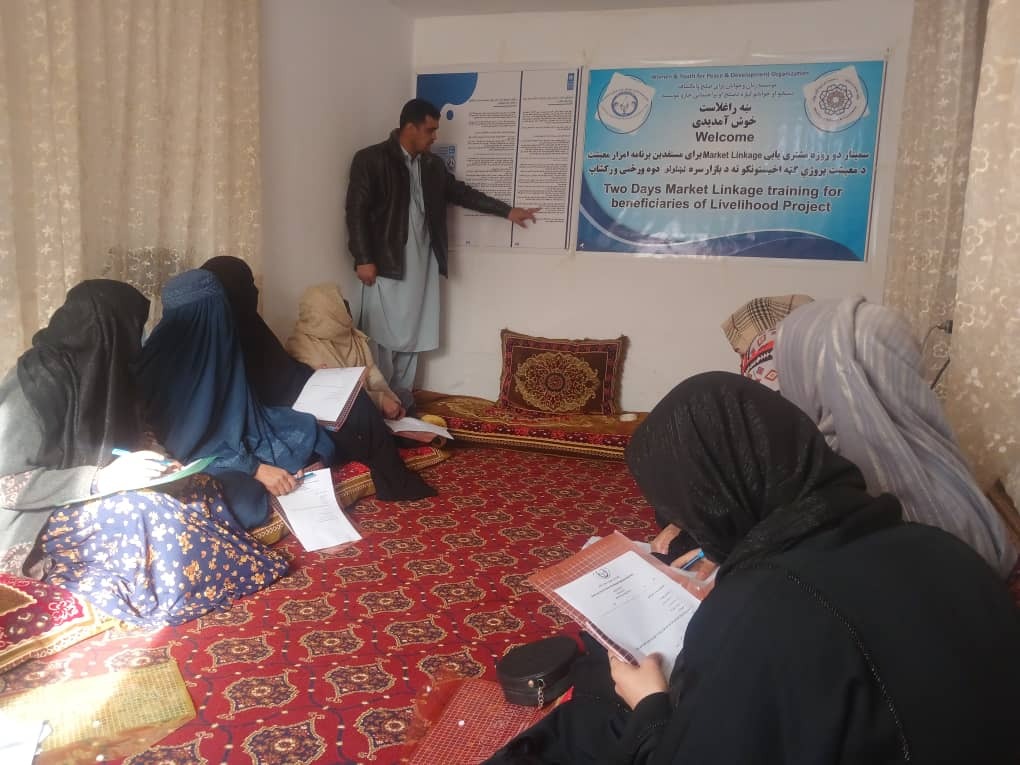
Economic independence is the foundation of dignity and resilience. WAYPADO supports women entrepreneurs, widows, and disabled individuals through vocational training, business skills development, and provision of raw materials and equipment. Our Carpet Weaving Project has empowered 150 women with technical skills and income-generating opportunities. Most recently, our livelihood support program provided 40 widowed and disabled women with small business materials to start sustainable enterprises, ensuring they can support their families and children's education.
Objectives
- Enable sustainable income generation for vulnerable women and families
- Build vocational and entrepreneurial skills
- Support female-headed households to achieve economic self-reliance
Key Activities
- Vocational training in carpet weaving, tailoring, and small trades
- Provision of raw materials and business start-up kits
Program
Human Rights Advocacy & Legal Support
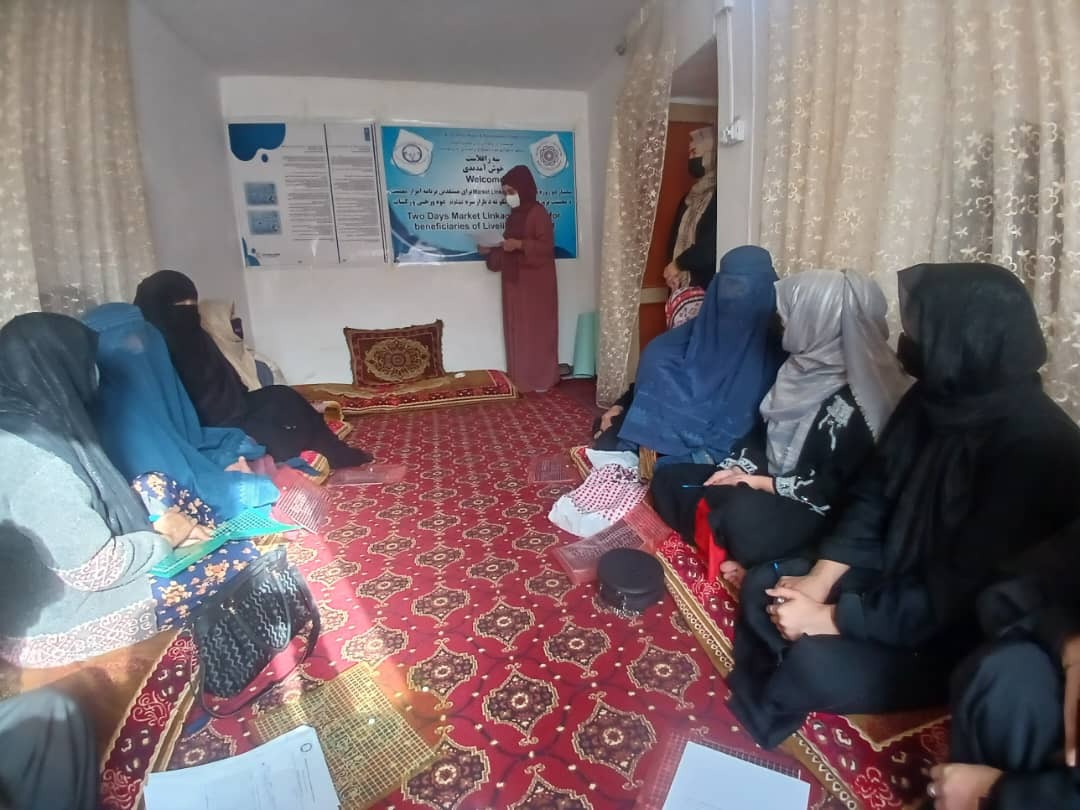
We advocate tirelessly for the rights of women, youth, and marginalized communities. Our programs provide legal advice, case management, and protection follow-up for victims of conflict and violence. We work with justice departments to expedite cases involving women and girls, and we have established referral systems for women facing violence. Through awareness-raising sessions, we have educated 18,780 people directly—and over 300,000 indirectly each year—on their rights and access to justice.
Objectives
- Increase awareness of legal rights among women and vulnerable groups
- Improve access to justice and legal protection services
- Strengthen case management and referral systems for survivors of violence
Key Activities
- Legal awareness sessions for communities and schools
- Case management and follow-up for conflict victims
Program
Education & Capacity Building
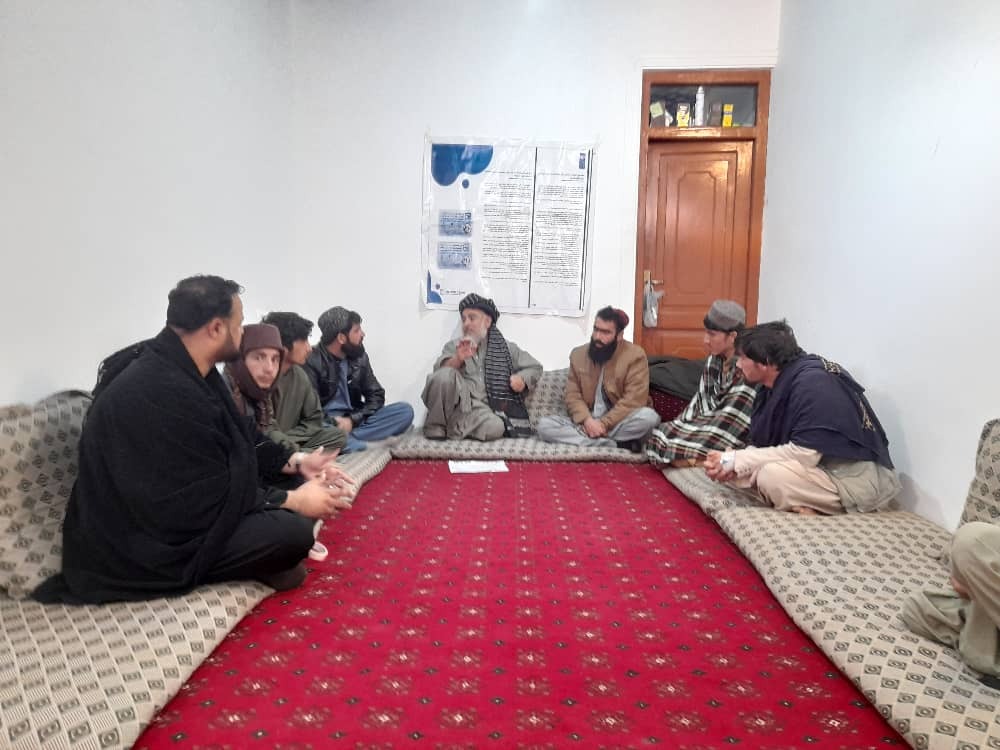
Education is the cornerstone of sustainable development. We deliver training and capacity-building programs for NGOs, community-based organizations, government entities, and community members. Our civic education initiatives reach students, religious leaders, and influential community figures. We also provide basic literacy programs for illiterate individuals in our intervention areas, ensuring that no one is left behind in the journey toward empowerment.
Objectives
- Strengthen the capacity of local organizations and government staff
- Improve civic awareness and democratic participation
- Reduce illiteracy through basic education programs
Key Activities
- Capacity-building workshops for NGOs, CBOs, and government staff
- Civic education sessions for students and community members
- Basic literacy courses for illiterate individuals
Program
Community Monitoring & Social Accountability
Through our Community Based Monitoring and Social Audit program, WAYPADO promotes a culture of accountability and transparency. In partnership with Integrity Watch Afghanistan and SIDA, we trained community volunteers to monitor 20 health facilities and 20 government schools across Kunduz and Chahar Dara District. This initiative empowers citizens to hold service providers accountable and ensures that public resources are used effectively for the benefit of communities.
Objectives
- Strengthen community oversight of health and education services
- Promote transparency and accountability in public resource management
- Empower citizens to demand quality services from government institutions
Key Activities
- Training of community volunteers on social audit and monitoring
- Field monitoring of health facilities and schools
- Community feedback and advocacy meetings with service providers